
 English
 简体中文
简体中文 Spanish
 French
 German
 Portuguese
 Russian
 Arabic
 Japanese
 Korean
 Italian
 Malay
Malay Thai
Thai Hindi
Hindi Vietnamese
 Polish
 Finnish
 Dutch
Dutch Czech
Czech Lithuanian
 Norwegian
 Indonesian
Can shilajit improve the quality of men's sexual life?
2024-01-23

Shilajit, a black-brownish exudate found in certain mountain ranges between 1000-5000m altitude, is utilized in Ayurvedic medicine as a vitality enhancer and adaptogenic compound.
In a study involving normal rats, Shilajit administered at doses of 25, 50, or 100mg/kg for six weeks demonstrated a dose-dependent increase in sperm count in the testes and epididymis, reaching 130.4% and 378%, respectively, at the 100mg/kg dose.
An intervention study targeting oligospermia (low sperm count) administered 200mg of Shilajit daily (54.8% fulvic acid, taken with meals twice a day for 90 days). The results showed improvements in sperm parameters, including volume (37.6%), count (61.4%), motility (12.4%), percentage of sperm with normal morphology (18.9%), and a correlated reduction in lipid peroxidation levels (MDA) in semen (18.7%).
In infertile men, a daily intervention of 200mg Shilajit (54.8% fulvic acid) for 90 days was associated with a 23.5% increase in serum testosterone levels (from 4.85ng/mL to 5.99ng/mL). It is evident that Shilajit has a significant effect on improving sperm quality and enhancing sexual vitality in males.
In female rats fed with 25, 50, and 100mg/kg of Shilajit for six weeks daily, Shilajit was correlated with an increased number of rats in estrus, suggesting a stimulating effect on oocytes and ovulation frequency.
A study investigating the effects of 2g Shilajit (6.61% fulvic acid) daily in other healthy adults found that Shilajit reduced triglycerides by 21.7%, LDL-C by 22.6%, vLDL-C by 20.6%, and increased HDL-C by 5.8%.
Shilajit is believed to influence pain perception, as evidenced by a significant reduction in pain in mice during the hot water tail-flick test. Subsequent research indicated that Shilajit could alleviate morphine-induced pain tolerance, with an analgesic effect observed in mice injected with 0.1mg and 1mg/kg of Shilajit, although the latter study did not find an inherent analgesic effect of Shilajit itself.
An in vitro study evaluating degranulation of mast cells indicated that three isolated components of Shilajit, including fulvic acid, significantly reduced mast cell degranulation in the presence of stimuli, suggesting an anti-allergic effect.
More information
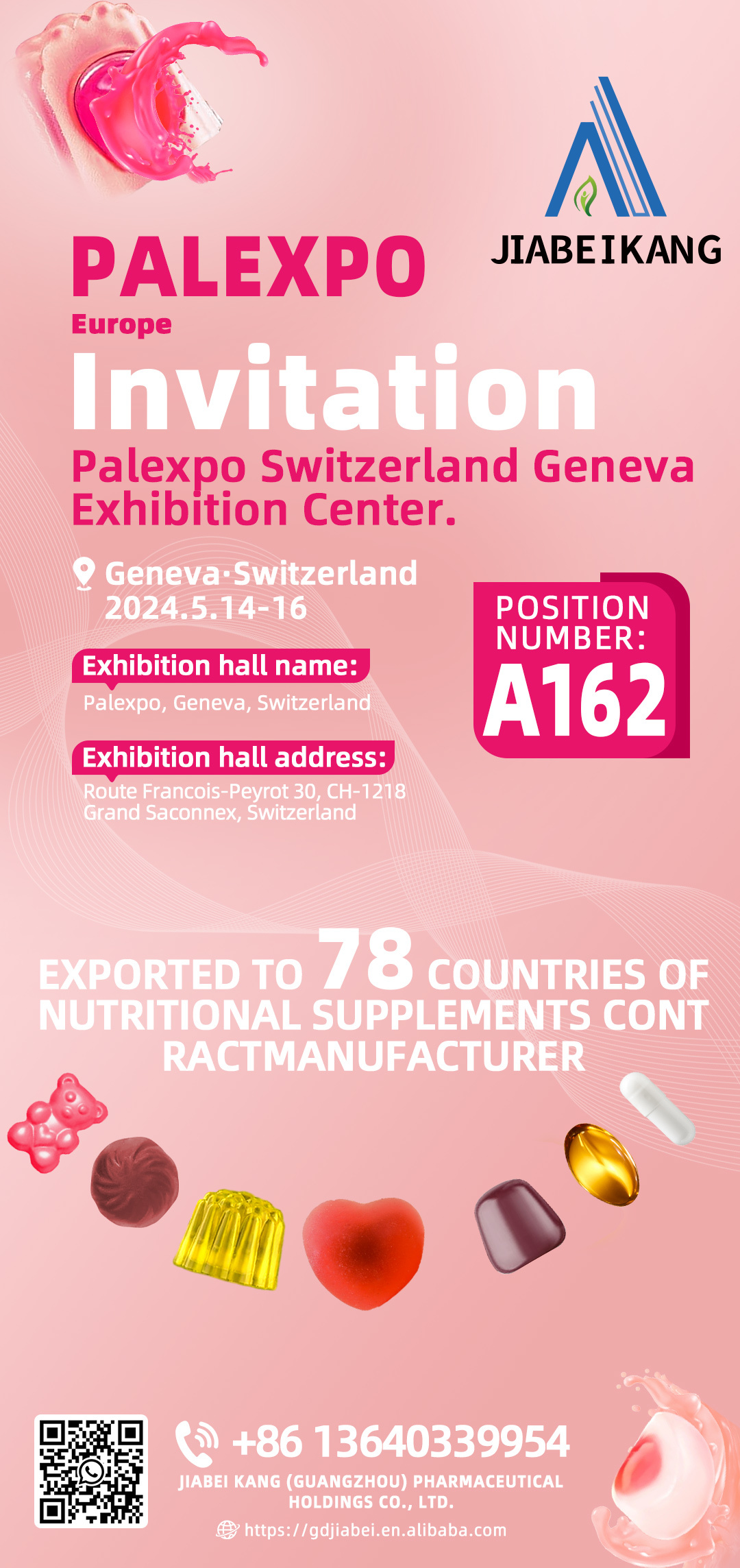
Jiabikang Health Research Institute will participate in the Palexpo Switzerland Geneva Exhibition in May 2024
Learn moreREQUEST YOUR CUSTOMISED PROJECT
Speak With Our Experienced Consultants To Learn How
 Top
Top
 E-mail
 whatsapp



Whatsapp & Tel:+86 180 4622 3546
Add:Room 519, No. 139 Taiying Road, Baiyun District, Guangzhou
COPYRIGHT 2023 JIABEIKANG All Rights Reserved. ICP2022146484